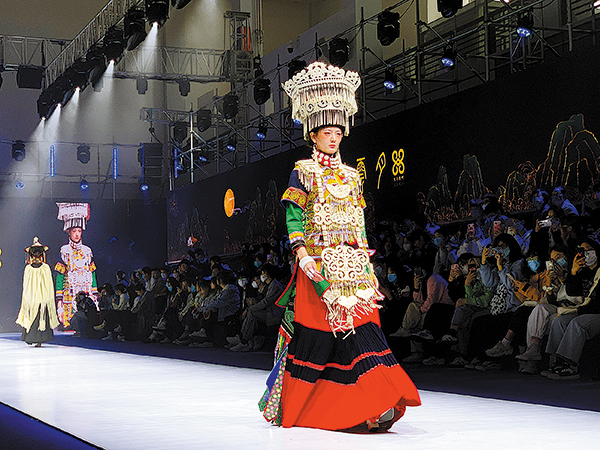
Yi Ethnic Group
Introduction
The Yi ethnic group, one of the 56 recognized ethnic groups in China, is predominantly located in the mountainous regions of Southwest China, particularly in Sichuan, Yunnan, and Guizhou provinces. With a population of over 9 million, the Yi people are known for their rich cultural heritage, distinct language, and vibrant traditions that have been preserved over centuries.
Historically, the Yi people have had a complex social structure with a strong sense of community. Their society was traditionally organized into clans or family groups, and this social fabric has played a significant role in maintaining their cultural practices and traditions. The Yi people have a deep connection with nature, which is reflected in their customs, festivals, and daily life. Agriculture has been a central part of their livelihood, with crops such as potatoes and buckwheat being staples in their diet.
Traditional Crafts
Yi Embroidery
Yi embroidery is a highly regarded traditional craft among the Yi people, celebrated for its intricate patterns and vibrant colors. This art form is a significant aspect of Yi culture, often used to decorate clothing, accessories, and household items. The embroidery patterns are not only aesthetically pleasing but also carry cultural significance, often depicting symbols from nature or Yi mythology. Women in Yi communities typically learn embroidery from a young age, and the craft is an essential part of their cultural identity and heritage.
The process of creating Yi embroidery involves a meticulous technique that has been refined over generations. It requires a high level of skill and patience, as artisans use a variety of stitches and threads to create complex designs. Yi embroidery is not only an expression of artistic creativity but also a means of preserving the history and stories of the Yi people.
Silverwork
Silverwork is another traditional craft that holds cultural significance for the Yi ethnic group. Yi silversmiths are known for their exceptional craftsmanship, creating intricate jewelry and decorative items that are highly valued within the community. Silver items are often used in traditional ceremonies and festivals, symbolizing wealth and prosperity.
The process of making silver jewelry involves melting silver into flakes or filigree wires, which are then shaped into elaborate patterns. This craft is typically passed down through generations, with many families having their own unique techniques and styles. Despite the challenges of modernity, efforts are being made to preserve this traditional craft, ensuring that it continues to be an integral part of Yi culture.
Yi Music and Dance
Folk Music
Yi folk music is a vital part of the cultural heritage of the Yi people, characterized by its distinctive melodies and rhythms. Music plays a central role in Yi society, accompanying various cultural and social events such as festivals, weddings, and religious ceremonies. Traditional Yi music often features instruments such as the mouth harp, bamboo flute, and wooden drums, which create a unique soundscape that reflects the natural environment and cultural beliefs of the Yi.
The themes of Yi folk music are diverse, ranging from the beauty of the natural world to historical events and everyday life. The music often incorporates elements of storytelling, with lyrics that narrate the legends and myths of the Yi people. This oral tradition has been crucial in preserving the history and cultural identity of the Yi ethnic group.
Dance
Dance is an integral part of Yi cultural expression, often performed during festivals and community gatherings. Yi dance is known for its lively and energetic movements, which are influenced by the natural surroundings and cultural practices of the Yi people. Dancers typically wear traditional costumes adorned with embroidery and silver ornaments, adding visual splendor to their performances.
Yi dance is not only a form of entertainment but also a means of cultural expression and social cohesion. It serves as a way to pass down traditions and cultural knowledge, strengthening the sense of identity and community among the Yi people. Through dance, the Yi people celebrate their heritage and share their cultural richness with others.
Language and Literature
Yi Language
The Yi language is an essential aspect of the Yi ethnic identity, with several dialects spoken across different regions. It belongs to the Tibeto-Burman branch of the Sino-Tibetan language family and has its own script known as the Yi script. The script is a syllabary with thousands of characters, used primarily for religious texts and cultural documentation.
Efforts have been made to preserve and promote the Yi language, particularly in education and cultural initiatives. Education programs have been established in some regions to ensure that younger generations continue to learn and use the Yi language alongside Mandarin. The preservation of the Yi language is crucial for maintaining the cultural heritage and identity of the Yi people.
Literature
Yi literature encompasses a rich tradition of oral and written works, including poetry, folktales, and religious texts. Oral literature, in particular, plays a significant role in preserving the cultural heritage of the Yi people, with stories and songs passed down through generations. These works often explore themes of nature, spirituality, and the struggles and triumphs of the Yi people.
Written literature in the Yi language includes historical records, religious texts, and contemporary works that reflect the evolving cultural landscape of the Yi people. Efforts to document and publish Yi literature have been instrumental in preserving this important aspect of Yi culture and sharing it with a wider audience.
Cultural Festivals and Celebrations
Cultural festivals and celebrations are integral to Yi society, serving as occasions to honor traditions and strengthen community bonds. The Yi New Year, known as "Torch Festival," is one of the most important celebrations, marked by vibrant festivities, traditional music and dance, and cultural rituals. It is a time for family reunions and communal activities, symbolizing renewal and hope for the coming year.
Other festivals, such as the Flower Festival and Harvest Festival, celebrate the natural cycles and agricultural practices that are central to Yi life. These events provide opportunities for the Yi people to showcase their cultural heritage and pass down traditions to younger generations, ensuring the continuity of their unique cultural identity.
Modern Developments and Challenges
Economic Development
In recent years, the Yi regions have experienced significant economic development, driven by infrastructure projects and government initiatives aimed at poverty alleviation. Efforts to improve transportation, education, and healthcare have contributed to the overall development of Yi communities. However, challenges remain in balancing economic growth with cultural preservation and environmental sustainability.
The Yi people have increasingly engaged in tourism and cultural industries, leveraging their rich heritage to attract visitors and promote economic opportunities. Initiatives to develop local crafts and cultural products have also provided new avenues for economic growth, helping to improve the livelihoods of Yi communities.
Cultural Preservation
Cultural preservation is a critical concern for the Yi ethnic group, as modernization and globalization pose challenges to traditional practices and cultural identity. Efforts to document, promote, and revitalize Yi culture are essential in ensuring its sustainability for future generations. Community-led initiatives, educational programs, and government support play vital roles in preserving the cultural heritage of the Yi people.
Preservation efforts include the protection of traditional crafts, music, dance, and language. By promoting cultural pride and awareness, the Yi people can maintain their unique identity while adapting to the changing world. Through these efforts, the Yi ethnic group continues to celebrate and share their rich cultural legacy, contributing to the diverse tapestry of China's cultural landscape.








